About Swivel Joints
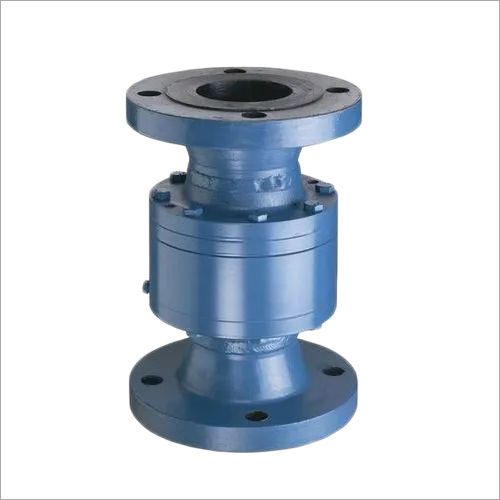
The swivel joints are used for transferring all kinds of liquids and gases from stationery pipe / Tube to rotary Pipe / Tube or vice versa.
materials of construction :Carbon Steel, Aluminum, SS 316 / 316L, SS 304 / 304L, PTFE Lined or as per compatibility.
Sizes 3/4 1, 1 1/2, 2, 2 1/2, 3, 4, 6, 8, 12 & 16. Other on request
Typical Swivel Joint (PTEF Lined)
Product details
|
Maximum Working Pressure
|
Up to 20 Kg/cm2
|
|
Usage/Application
|
Chemical Fertilizer Pipe
|
|
Material
|
Carbon Steel, Aluminum, SS 316 / 316L, SS 304 / 304L, PTFE Lined
|
|
Size
|
3/4, 1, 11/2, 2, 21/2, 3, 4 6, 8, 12 & 16 Other on request
|
|
Surface Treatment
|
Swivel joints rotation is smooth & torque free. This feature avoids operational fatique.
|
|
Type
|
Typical Swivel Joint (PTEF Lined),Typical Swivel Joint (3 PC Const.)
|
|
Description
|
The swivel joints are used for transferring all kinds of liquids and gases from stationery pipe / Tu
|
Superior Protection and LongevityVarnished surface treatment safeguards the stainless steel swivel joints against environmental stress and corrosion, promoting extended service life. This protective finish is essential in rigorous industrial applications, ensuring reliable performance particularly in harsh settings where durability is critical for smooth operations.
Engineered for Versatile Pipeline ConnectionsThese swivel joints are designed for welding connections, providing robust and leak-free integration within pipeline systems. The inclusion of plastic pipe caps on both ends further ensures safety and cleanliness during installation, minimizing risks of damage or contamination.
FAQs of Swivel Joints:
Q: How is welding used to connect these swivel joints in industrial pipelines?
A: Welding is the chosen method for connecting these stainless steel swivel joints, offering a secure, robust bond between sections. This ensures a leak-proof joint and maintains structural integrity in demanding fluid transfer systems.
Q: What benefits does the varnished surface treatment provide for swivel joints?
A: The varnished surface acts as a shield against corrosion, moisture, and chemical exposure. This protection not only prolongs the lifespan of the joint but also maintains its performance in harsh environments, reducing maintenance needs.
Q: Where are these ASTM-standard swivel joints commonly implemented?
A: ASTM-standard swivel joints are widely used in industrial pipelines across sectors such as oil and gas, water treatment plants, chemical processing, and construction projects throughout India, due to their reliability and compliance with industry standards.
Q: What is the process for installing a swivel joint with a plastic pipe cap?
A: Installation involves removing the protective plastic pipe cap, aligning the joint to the pipeline, and performing the welding connection. The cap protects the ends during storage and transport to prevent contamination and damage.
Q: When should one consider replacing a swivel joint with varnished treatment?
A: A replacement is recommended if signs of excessive wear, corrosion, leakage, or mechanical failure are noted, or after the one-year warranty period if regular maintenance exposes any integrity concerns.
Q: What usage advantages do non-alloy stainless steel swivel joints offer?
A: These non-alloy stainless steel joints provide strong corrosion resistance and durability, which make them highly effective in fluid and gas pipelines requiring long-term reliability without frequent replacements.
Q: How does choosing a supplier in India benefit buyers of swivel joints?
A: Opting for Indian suppliers and exporters ensures competitive pricing, quick local availability, adherence to ASTM standards, and experienced service support, allowing buyers to efficiently source high-quality swivel joints for various applications.